

ETH-EPFL Summer School
Reliable ML 2026
Reliable Machine Learning: from LLMs to cyber-physical and biological Systems
Scroll to explore
Reliable Machine Learning: from LLMs to cyber-physical and biological Systems
Interacting systems—ranging from biological networks and social webs to critical infrastructures like power grids—pose distinctive modeling challenges. Unlike many physical systems with well-established governing equations, most interacting systems lack explicit dynamical laws, making data-driven modeling and machine learning essential.
Yet, standard ML methods often break down under distribution shifts or high noise, and struggle to provide reliable predictions in the face of unexpected or rare scenarios, especially in the context of complex dynamical systems.
How can we design AI methods that are robust, reliable, and generalizable when learning from and acting on evolving, intelligent systems under distributional shifts?
Reliable ML 2026 brings together researchers in machine learning, distributional robustness, causal learning, network modeling, robotics, and feedback control systems to address this core question.
Cyber-physical reliability of electric power networks
Robust gene regulation network inference for cancer drug response
Trustworthy multi-agent large language models
Reliable robot control in changing environments
World-class experts in robust AI, causality, and intelligent systems

EPFL
Distributional Robustness in ML
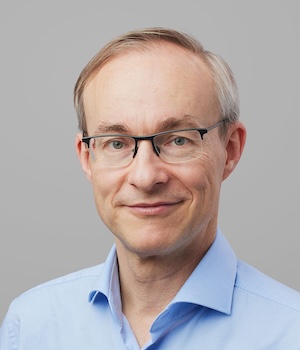
ETH Zürich
Robust Sequential Decision-Making

ETH Zürich
Theoretical Perspectives on OOD Generalization
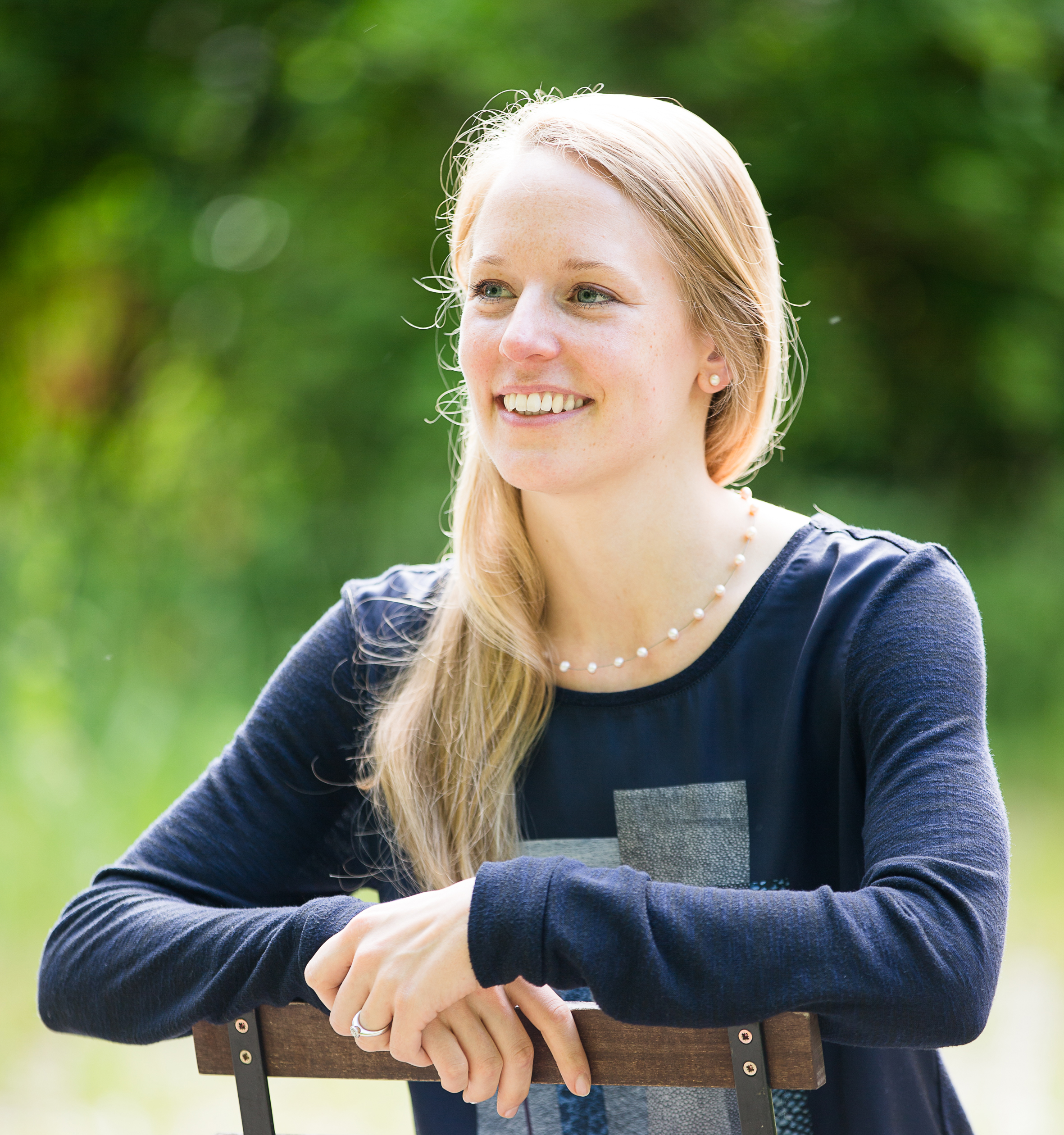
Apple
Causality and Distribution Shift

University of Tübingen
Continual Learning under Distribution Shift
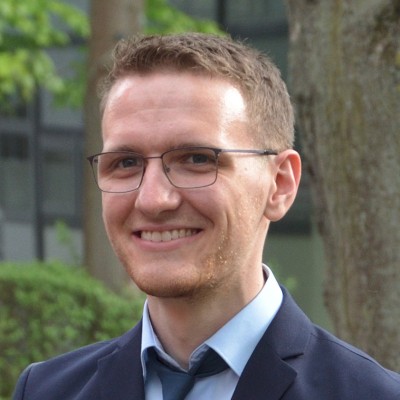
Apple Research
Uncertainty and Exploration in LLMs and Agents

Isomorphic Labs
Representation Learning for Robustness

DeepMind
Reliable ML in Autonomous Systems
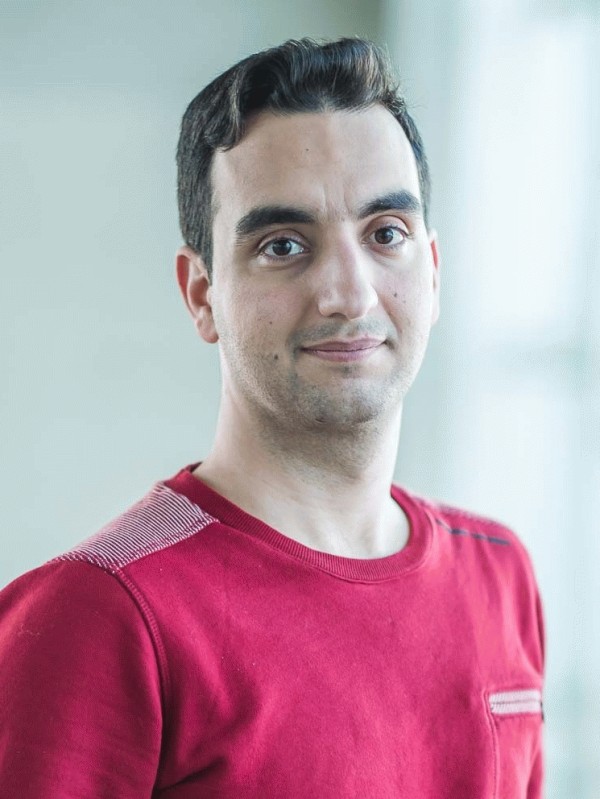
Cornell University
Robustness in Interacting Multi-Agent Systems
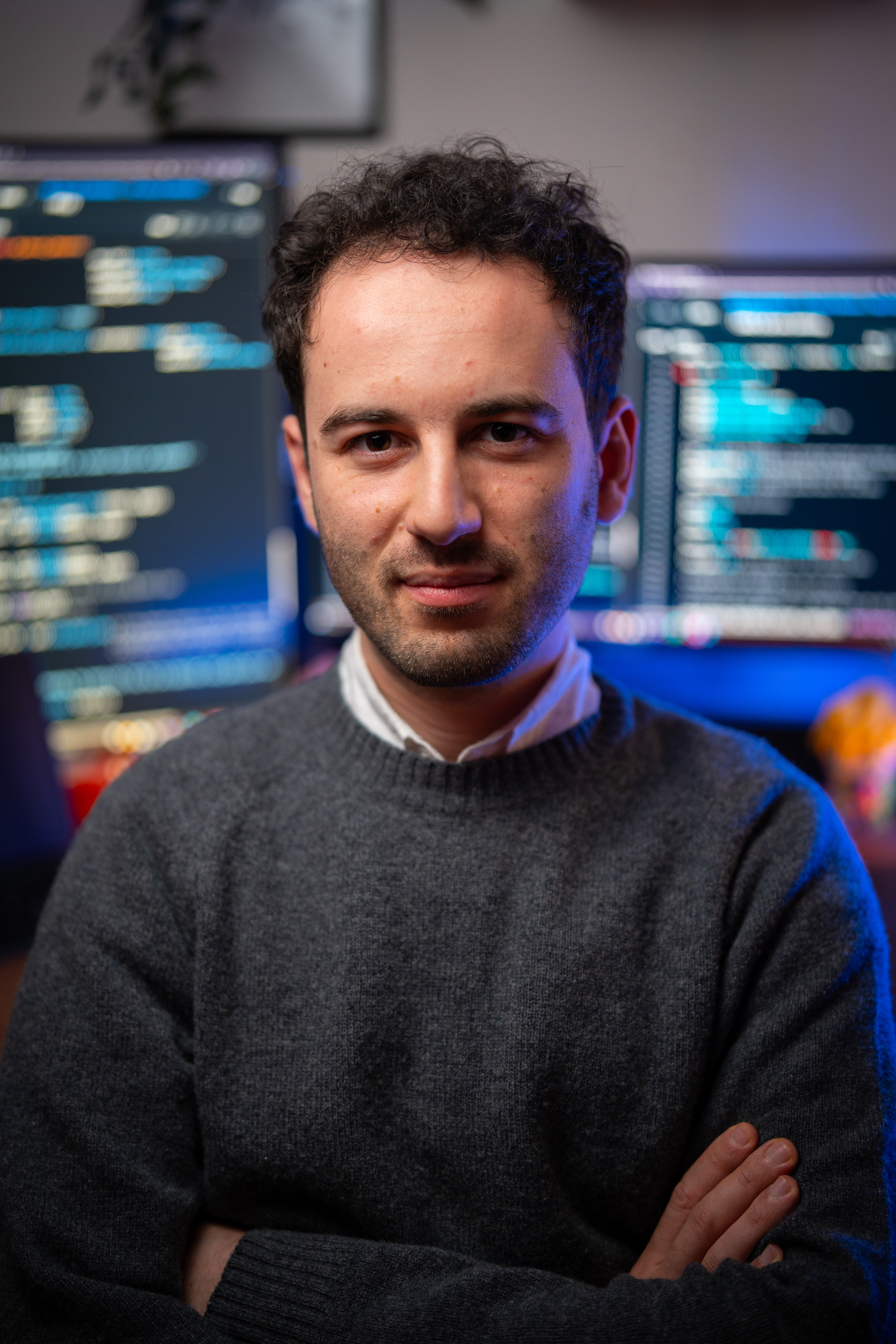
Northwestern University
Robust Graph ML & Interacting Systems
Lectures, hands-on sessions, panels, and networking opportunities
Establishing the theoretical groundwork for reliable AI systems
Organizers
Daniel Kuhn (EPFL)
Andreas Krause (ETH Zürich)
Networking opportunity
Jonas Peters (ETH Zürich)
Panel Discussion
Understanding and adapting to changing data distributions
Christina Heinze-Deml (Apple)
Claire Vernade (University of Tübingen)
Networking opportunity
Michael Kirchhof (Apple Research)
Interactive workshop session
From theory to implementation in complex systems
Jörn Jacobsen (Isomorphic Labs)
Networking opportunity
Markus Wulfmeier (DeepMind)
Soroosh Shafiee (Cornell University)
Interactive workshop session
Looking ahead: future challenges and synthesis
Amine Bennouna (Northwestern University)
Final networking opportunity
Organizers
Located in the heart of Zürich, Switzerland
Rämistrasse 101
8092 Zürich, Switzerland
The summer school will be held at ETH Zürich's historic main building (Hauptgebäude) in the city center, overlooking the beautiful old town and Lake Zürich.
Zürich Airport (ZRH) is Switzerland's largest international airport with direct connections to most major cities worldwide. Located approximately 10 km north of the city center.
Zürich Hauptbahnhof (HB) is one of Europe's best-connected railway hubs.
Book via sbb.ch for "Supersaver" early-bird discounts.
The iconic funicular takes you directly from Central square to ETH's main building in under 2 minutes. Free with any ZVV ticket.
5 min walk from HB + 2 min ride
Take Tram 6 (direction Zoo) or Tram 10 (direction Zürichberg) from Zürich HB to "ETH/Universitätsspital".
~5 min from Zürich HB
A scenic 15-minute uphill walk from Zürich HB through the university quarter.
~15 min walk (uphill)
Switzerland is part of the Schengen Area. Depending on your nationality, you may need a Schengen visa to attend.
If you require an invitation letter for your visa application, please contact us at ramzi.dakhmouche@epfl.ch after registering.
We recommend starting the visa process at least 3 months in advance.
Accommodation is included in your registration fee.
We will arrange shared accommodation for all participants near the venue.
More details will be provided upon registration confirmation.
Zürich in August is typically warm and pleasant, with average temperatures of 18–26°C (64–79°F). Occasional rain showers are possible.
Eduroam WiFi is available throughout ETH Zürich campus. If your institution participates in eduroam, no additional setup is needed.
Guest WiFi credentials will be provided at registration for those without eduroam access.
Included: Coffee breaks (apéros) and social event dinner.
Not included: Lunch is on your own. There are many affordable options on and near campus.
Please indicate any dietary requirements during registration.
Registration will open in Spring 2026. Leave your details to be notified when registration opens.
Included: Accommodation, apéros, and social event dinner.
Not included: Lunch (on your own).
Course credits: Students will earn 2 ECTS equivalent credits.
Master students, PhD students, and young postdocs in:

EPFL · PhD Student
Uncertainty quantification and robustness for LLMs and network systems.
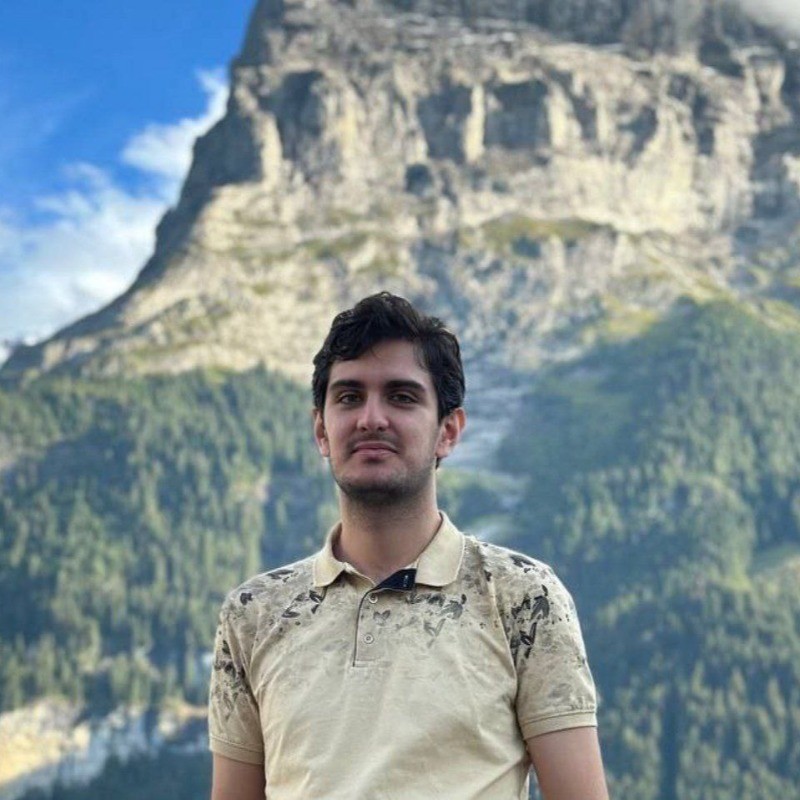
EPFL · PhD Student
Large-scale optimization and decision-making under uncertainty.

ETH Zürich · PhD Student
Safe learning, multi-agent systems, and sequential decision-making.
ETH Zürich · Postdoc
Learning and adaptive systems, machine learning.
For questions about Reliable ML 2026, please reach out to us.